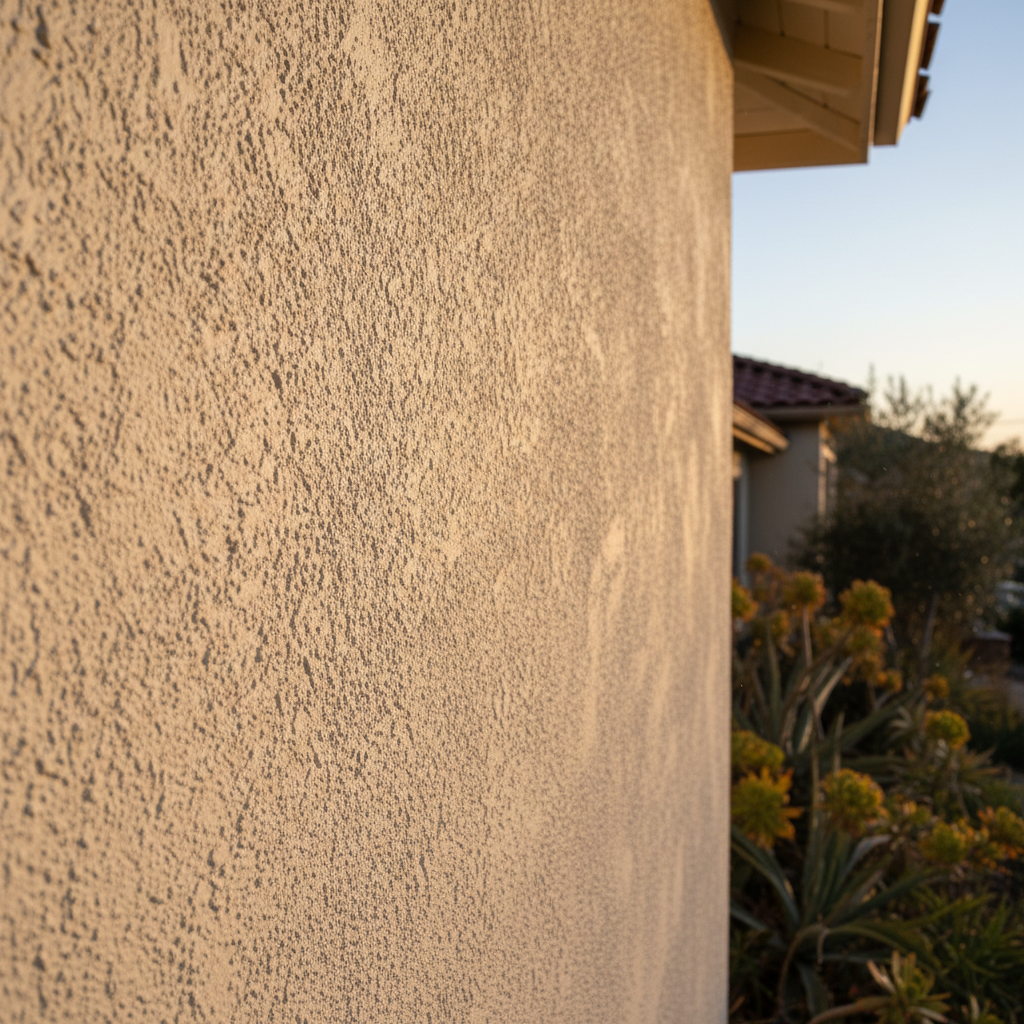
Before You Even Think About a Project: Your Initial Stucco Scan
Alright, let's talk about your stucco. Most folks don't give it a second thought until they see a crack or a stain, and by then, you might be looking at a bigger problem than you realize. But you don't need to be a stucco expert to do a decent initial check. You just need to know what to look for, really.
First off, walk around your house. Get a good look at all the stucco surfaces. Don't rush it. What are you trying to spot? Well, for starters, look for any obvious cracks. Not all cracks are created equal, you know. Hairline cracks, those super thin ones that look like a strand of hair, are often just surface-level and usually aren't a huge deal. They happen with normal house settling and temperature changes – especially with our San Jose weather, going from hot days to cooler nights. But if you see cracks wider than a credit card, or if they're running in a spiderweb pattern, or if they're horizontal and really long, that's a red flag. Those could mean structural movement or water intrusion.
Next, look for discoloration. Are there dark streaks under windows or near the roofline? That's almost always a sign of water getting in and running down the wall. You might also see green or black spots, which could be mold or mildew, again, pointing to moisture. Pay attention to areas around downspouts, hose bibs, and anywhere sprinklers hit the wall regularly. Water is stucco's biggest enemy, and it's usually the culprit behind most major issues.
Finally, just tap on the stucco with your knuckles. Does it sound hollow in spots? A hollow sound can mean the stucco has come loose from the wall sheathing underneath. That's not good, and it means moisture might be trapped back there, or the stucco isn't properly bonded.
During a Project: What to Keep an Eye On
So, you've spotted something, or maybe you're just doing some home improvements and want to be proactive. If you've hired someone for a stucco repair or a new installation, you're not just paying them to do the work, you're paying them to do it right. And you, as the homeowner, have every right to keep an eye on things.
Before any work starts, make sure they're protecting your property. Are they laying down tarps? Covering your plants? You don't want stucco debris all over your prize-winning roses or clogging your drains.
When they're actually working, pay attention to the layers. Stucco isn't just one coat. It's usually multiple layers, and each one needs to cure properly. If they're rushing it, putting on the next coat before the previous one is ready, that's a problem. You might not know the exact cure times, but if they're flying through it, ask questions. A good contractor won't mind explaining their process.
Also, look at the edges and transitions. Around windows, doors, and where the stucco meets other materials (like wood trim or your foundation), these are critical areas for preventing water intrusion. Are they using proper flashing? Are the sealant lines neat and continuous? Sloppy work here is a surefire way to get leaks down the road. I've seen too many homes in the Willow Glen area with beautiful stucco that's failing because someone cut corners on the flashing around a window.
After the Dust Settles: Your Post-Project Review
The job's done, the crew's packed up, and your house looks great. But your inspection isn't over. You need to do a final walk-through, and not just a quick glance. This is your chance to make sure everything is up to snuff before you make that final payment.
Go back to those critical areas: windows, doors, corners, and where the stucco meets the ground. Check for clean lines, consistent texture, and proper sealing. Run your hand over the surface – does it feel smooth and even, or are there rough patches or inconsistencies? If it's a repair, does the new stucco blend in reasonably well with the old? It won't be perfect, especially if the old stucco has faded over time, but it shouldn't stick out like a sore thumb.
Look for any overspray or drips on adjacent surfaces – windows, trim, your driveway. A professional crew from San Jose Stucco Solutions always cleans up their mess, but sometimes little things get missed. Point them out. It's easier to fix them now than later.
And don't forget the functionality. If they worked around your downspouts or vents, make sure they're still clear and operating correctly. You don't want a perfectly stuccoed wall that's now directing water into your foundation because a downspout got knocked out of alignment.
If you see anything that doesn't look right, speak up. A reputable contractor will want to make it right. If you're unsure about something you've found, or if you just want some reassurance, that's when you call in a pro like me. We can do a more thorough inspection, often with moisture meters and other tools, to really get to the bottom of things. It's always better to catch an issue early than to let it fester and turn into a much bigger, more expensive problem down the line.
When to Call a Pro vs. What You Can Handle
So, what can you realistically do yourself? The visual checks I mentioned – looking for cracks, discoloration, hollow spots – those are all well within your capabilities. You can spot the symptoms. You can even do minor, cosmetic crack repairs yourself with the right caulk or patching compound, especially for those hairline cracks. There are plenty of good videos out there showing you how.
But here's when you absolutely need to call in a professional:
- If you see widespread cracking, especially large, deep, or spiderweb cracks.
- If you have significant discoloration or active leaks that you can trace back to the stucco.
- If you hear extensive hollow sounds when tapping, suggesting delamination.
- If you suspect water damage behind the stucco (e.g., damp interior walls, mold growth).
- If you're dealing with EIFS (Exterior Insulation and Finish Systems) – that's a whole different ballgame and requires specialized knowledge.
- Anytime you're unsure about the extent of the damage or the best course of action.
Your home is a huge investment. A little bit of proactive inspection on your part can save you from major headaches. And when you need an expert eye, that's what we're here for.