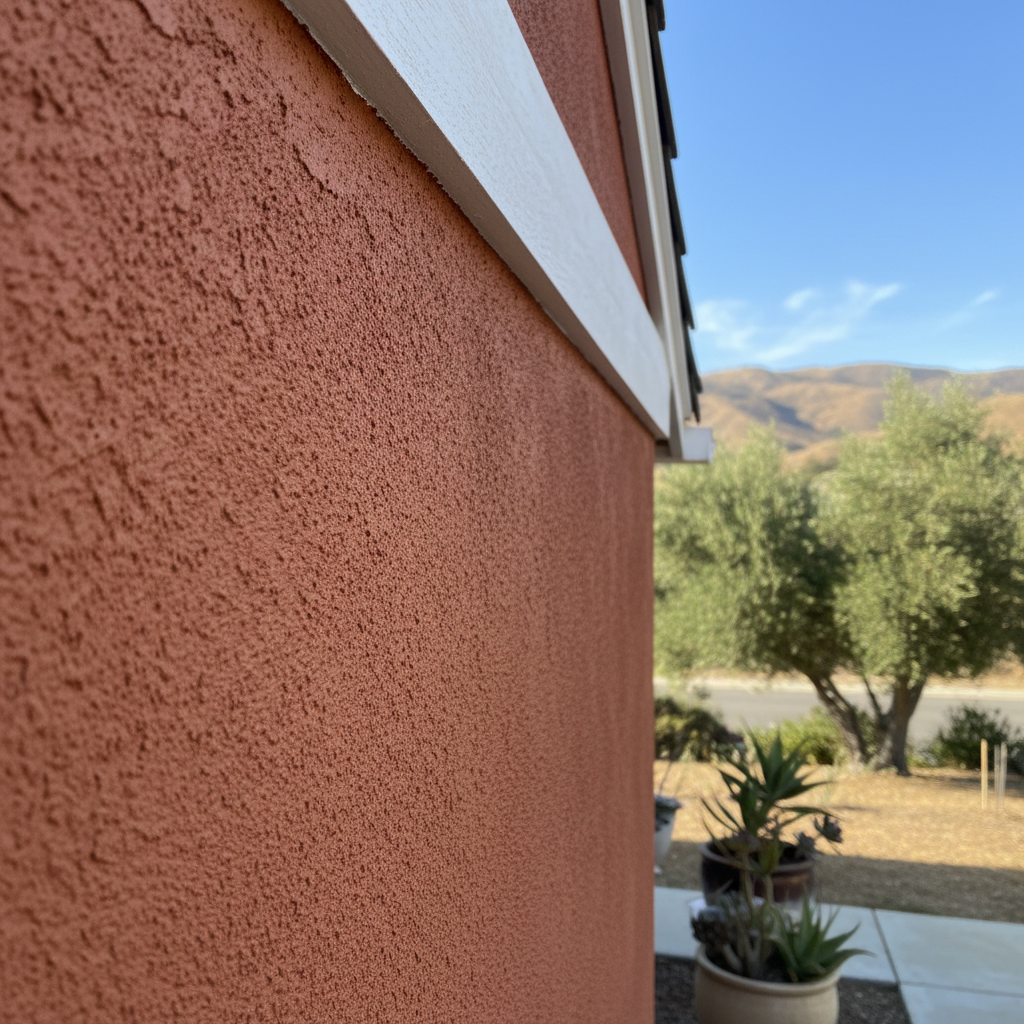
What exactly is stucco redashing, anyway?
Alright, let's just get this straight from the start. When I talk about stucco redashing, I'm really talking about putting a brand new, fresh coat of stucco right over your existing, solid stucco. It's not one of those full tear-off and re-do projects, and it's definitely more than just painting. Think of it like giving your house a whole new skin without having to strip off the old one completely. We're applying a thin, super durable layer that brings back the original look, texture, and usually, the protective qualities of your exterior. Honestly, it's a fantastic way to breathe new life into a tired-looking home without all the expense and mess of a complete re-stucco job.
How do I know if my stucco needs redashing or a full replacement?
This is probably the question I hear most often. The big difference really comes down to what's going on with the stucco underneath. If your existing stucco is mostly sound—meaning no widespread, deep cracking, crumbling, or significant water damage—then redashing is probably a great choice. We're usually looking for surface-level stuff here: faded color, hairline cracks, maybe some minor impact damage, or just an outdated texture you're ready to change. But if I see stucco peeling off the wall in sheets (that's delamination), major structural cracks, or clear signs of serious moisture getting in and causing rot underneath, then redashing just won't cut it. You'd be slapping a band-aid on a broken leg, and that's not how San Jose Stucco Solutions does business. In those cases, we'd need to look at a full removal and replacement to actually fix the root problems.
Can redashing fix cracks in my old stucco?
Well, it depends on the cracks. Hairline cracks, those spiderweb-like cracks, or small surface imperfections? Absolutely, redashing can totally cover and hide those, leaving you with a smooth, even finish. We'll often get the surface ready by cleaning it really well, sometimes putting on a bonding agent, or even patching bigger, but still superficial, cracks before the new coat goes on. But if you've got deep, structural cracks that go all the way through the stucco and into the sheathing, or cracks that are actually moving, redashing isn't the answer. Those are signs of underlying structural issues that need to be dealt with first, usually by a general contractor or structural engineer, before any stucco work even starts. Redashing over those would just mean the cracks pop back up in the new finish pretty quickly, and who wants that?
What kind of textures and colors can I get with redashing?
The really cool thing about redashing is how much freedom it gives you with how your house looks. You're not stuck with your old texture or color, not at all. We can go for a super smooth finish, a sand finish, a dash finish, or even something more intricate like a Santa Barbara or worm finish. It's a complete makeover! As for colors, you're only limited by your imagination. Modern stucco systems come in a massive range of pre-mixed colors, and we can often match custom shades too. You'll get to pick from samples, and we can even do test patches on a less noticeable part of your house. That way, you can see exactly how it looks in your specific lighting conditions, which, let's be honest, changes a lot from the morning sun hitting the Santa Teresa foothills to the afternoon shade in Willow Glen.
How long does a redashed stucco job typically last?
A properly redashed stucco exterior, when it's done with good materials and skilled workmanship, should honestly last you a very long time—we're talking 15 to 20 years, maybe even more. It's basically a brand new layer of protection for your home. The actual lifespan really comes down to a few key things: how well we prep the existing stucco, the quality of the materials we use for the new coat, and how well you maintain it. Good drainage around your home, making sure sprinklers aren't constantly hitting the walls, and fixing any small issues quickly will all help it last longer. It’s a tough finish, built to handle our Bay Area weather, from our dry summers to those occasional heavy winter rains.
Is redashing more affordable than a full stucco replacement?
Generally speaking, yes, redashing is way more affordable than ripping out and replacing all your stucco. You save a ton on labor and disposal costs because we're not tearing off all that old material. There's less demolition, less debris to haul away, and often less intensive prep work involved. The cost difference can be pretty significant, making it a really attractive option for homeowners who want to boost their curb appeal and protect their investment without totally draining their bank account. Of course, the exact cost depends on your home's size, how complex the architectural details are, the type of finish you pick, and any necessary repairs to the existing stucco. But dollar for dollar, redashing usually wins out if your existing stucco is a good candidate.
How long does the redashing process take?
The timeline for a stucco redashing project varies quite a bit, but for an average-sized San Jose home, you're usually looking at anywhere from a few days to a week and a half, maybe even two weeks for bigger or more complicated jobs. This includes all the prep work—cleaning, minor crack repair, masking off windows and doors—then putting on the new stucco coat, and finally, giving it enough time to dry and cure properly. Weather plays a role too; we absolutely need dry conditions for the stucco to set correctly. We'll give you a clear timeline upfront once we've had a chance to check out your specific property. My crew and I work efficiently, but we never, ever cut corners on the process, because a rushed job is a bad job, and that's just not how I operate.
Do I need to do anything to prepare my home for redashing?
You don't need to do a whole lot, but a little bit of preparation on your end always helps us work more smoothly. We'll handle the big stuff like masking and protecting surfaces. What you can do is clear the area right around your house. Move any patio furniture, grills, planters, or anything else that's sitting right up against the walls. Trim back any bushes or trees that are touching the house, giving us about 18 inches of clearance if you can. If you have any outdoor decorations, lights, or anything else attached to the stucco that you want to keep, please let us know. That way, we can carefully remove them and put them back if needed. We'll cover your landscaping and driveways, but getting your personal items out of the way just makes everything go a bit easier.